
Stories of First Responders Still Battling Illness Years After 9/11

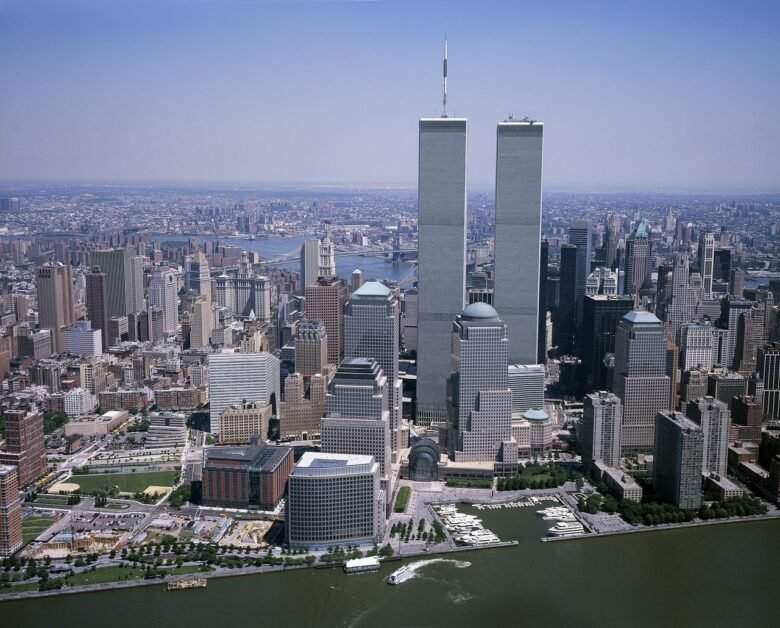
The events of September 11, 2001, changed the course of American history and left an enduring mark on thousands of lives. While the immediate devastation captured global attention, the long-term consequences for those who rushed toward danger that day continue to unfold.
Many fire responders, including firefighters, police officers, paramedics, and volunteers, are still grappling with serious health challenges more than two decades later. This post examines a lingering health crisis, personal stories of sacrifice, and more.
A Lingering Health Crisis
In the months following the attacks, rescue and recovery workers spent countless hours at the site, often without adequate protective equipment. The air was thick with dust and debris, a mixture that included pulverized concrete, asbestos, heavy metals, and other harmful substances. At the time, the urgency of the mission overshadowed concerns about long-term health risks.
Years later, many of these individuals began to experience chronic respiratory conditions, autoimmune disorders, and other debilitating illnesses. What initially seemed like isolated cases has since developed into a widespread and deeply concerning health crisis among those who served on the front line.
Personal Stories of Sacrifice
For many first responders, the toll has been both physical and emotional. For example, retired firefighter John Michaels spent weeks searching for survivors in the aftermath. Today, he battles persistent breathing issues and fatigue that have forced him into early retirement.
Similarly, former NYPD officer Maria Alvarez now undergoes ongoing treatment for a serious illness that she believes is directly linked to her time spent at the site. Thousands of individuals have reported similar experiences, highlighting a shared struggle that continues to demand attention and support. Their sacrifices extended far beyond that day, impacting their health, careers, and families.
Seeking Accountability and Support
As awareness of these long-term effects has grown, so too has the push for accountability and assistance. Programs like the World Trade Center Health Program have provided critical medical monitoring and treatment. However, navigating the process of obtaining benefits or compensation can still be complex and overwhelming.
For those affected, understanding their rights and the steps needed to secure support is essential. Resources that explain how to document presence and exposure have become invaluable. For example, individuals seeking guidance on proving their eligibility can learn more about cancer due to toxic exposure at ground zero and the legal pathways available for them.
Lessons for Future Emergency Responses
The experiences of 9/11 first responders have reshaped how authorities approach disaster response. There is now a greater emphasis on providing proper protective equipment, monitoring environmental hazards, and ensuring long-term health surveillance for emergency personnel.
These lessons are critical for honoring those who served but also for protecting future generations of first responders. Ensuring that no one else faces similar preventable health risks must remain a priority.
Endnote
The legacy of these brave men and women extends beyond their actions on that tragic day. Their ongoing struggles serve as a powerful reminder of the hidden costs of heroism and the responsibility to stand by those who risk everything in service to others.


