The average rate on a 30-year mortgage is about 6.65%. Millions of potential buyers are sitting on the sidelines, hoping the Federal Reserve will cut interest rates enough to make their monthly payments affordable.
The Fed should reduce rates when economic conditions permit. But cheaper financing will not solve the larger problem: Houses themselves cost too much.
The median existing home price remains above $430,000. In many communities, a typical home costs about five times the average family’s annual income, which is far more than historical norms.
Lower interest rates may trim a mortgage payment, but they do not reduce the price of the house. In fact, lower rates without additional supply would increase demand and push prices even higher.
Government Has Made Building Too Expensive
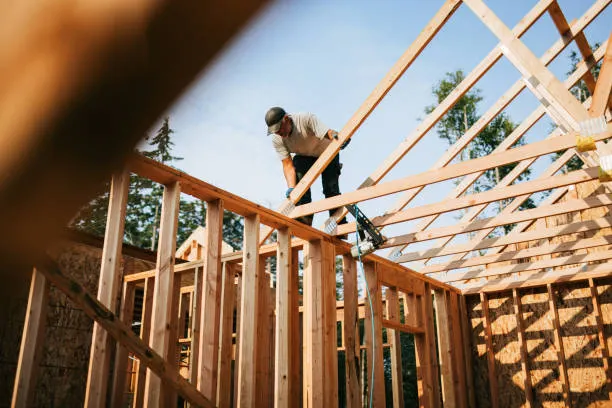
The underlying problem is the enormous cost of building new homes. Restrictive zoning rules limit what can be built and where. Lengthy approval processes often delay projects for months or years.
Those delays create uncertainty and can add tens of thousands of dollars to the cost of every home.
Federal, state, and local governments then pile on additional expenses through strict building and energy codes, prevailing-wage mandates, impact fees, and other regulatory requirements. Government regulations can add approximately $132,000 to the price of a new home.
Smaller builders often cannot absorb those costs or survive the permitting delays. As a result, housing construction has failed to keep pace with household formation for years.
The national housing shortage reached an estimated 4.03 million homes in 2025.
Washington has repeatedly treated housing affordability as a demand problem. Politicians propose down-payment assistance, tax credits and other subsidies intended to help buyers bid for homes.
But subsidies do not create houses. When additional purchasing power chases a limited supply, sellers can charge more. The subsidy is eventually absorbed into a higher home price, leaving taxpayers with the bill and future buyers no better off.
Private Listings Threaten an Open Market
Supply is not the only problem. Buyers must also be able to see the homes that are available.
For decades, Multiple Listing Services operated as shared directories. When a home was listed, brokers could see it, and the property generally appeared on widely used public websites. That gave buyers broad access to information and helped sellers reach the largest possible market.
Now, some major brokerages, especially Compass, and certain listing services are developing private networks. Homes can be marketed inside these networks before appearing on major public websites. An ordinary buyer may never know that a house is already being shown to buyers connected to a preferred brokerage.
The practice has prompted a federal antitrust lawsuit, congressional scrutiny and questions from state investigators. The allegations have not yet been finally decided, but the competitive danger deserves serious examination.
Housing could become a two-tiered market. Favored buyers would see the full inventory, while everyone else would see only the properties their brokerage chooses to display.
Free markets require open information and transparent prices. When a large brokerage gains influence over an essential listing system and uses that position to disadvantage competing platforms, government has a legitimate role in protecting competition. That is not an expansion of government power. It is enforcement of the rules that allow markets to function.
The Conservative Solution Is More Competition
Conservatives should stop waiting for the Federal Reserve to rescue housing and start removing the barriers that make homes scarce and expensive.
States should encourage local governments to loosen restrictive zoning, accelerate permitting, and allow greater housing density where appropriate. Unnecessary mandates that drive up construction costs should be reduced or rewritten.
Manufactured and modular housing should be welcomed wherever it can safely expand affordable supply.
At the same time, listing systems should remain open and competitively neutral. Private networks that systematically prevent ordinary buyers from seeing available homes should not become the industry standard. Antitrust officials should ensure that companies controlling essential housing data do not use that control to suppress competition.
Rate cuts may help at the margin. Buyer subsidies may help a fortunate few. Neither approach addresses the structural problem.
America needs more homes, fewer artificial building costs and equal access to market information. When builders are free to build, and buyers are free to see every home being offered, competition will do what government subsidies cannot: make housing more abundant and more affordable.
That is the real conservative housing policy — a market finally set free to build and compete.
Agree/Disagree with the author(s)? Let them know in the comments below and be heard by 10’s of thousands of CDN readers each day!