Military Compensation Evolved During, After Revolutionary War
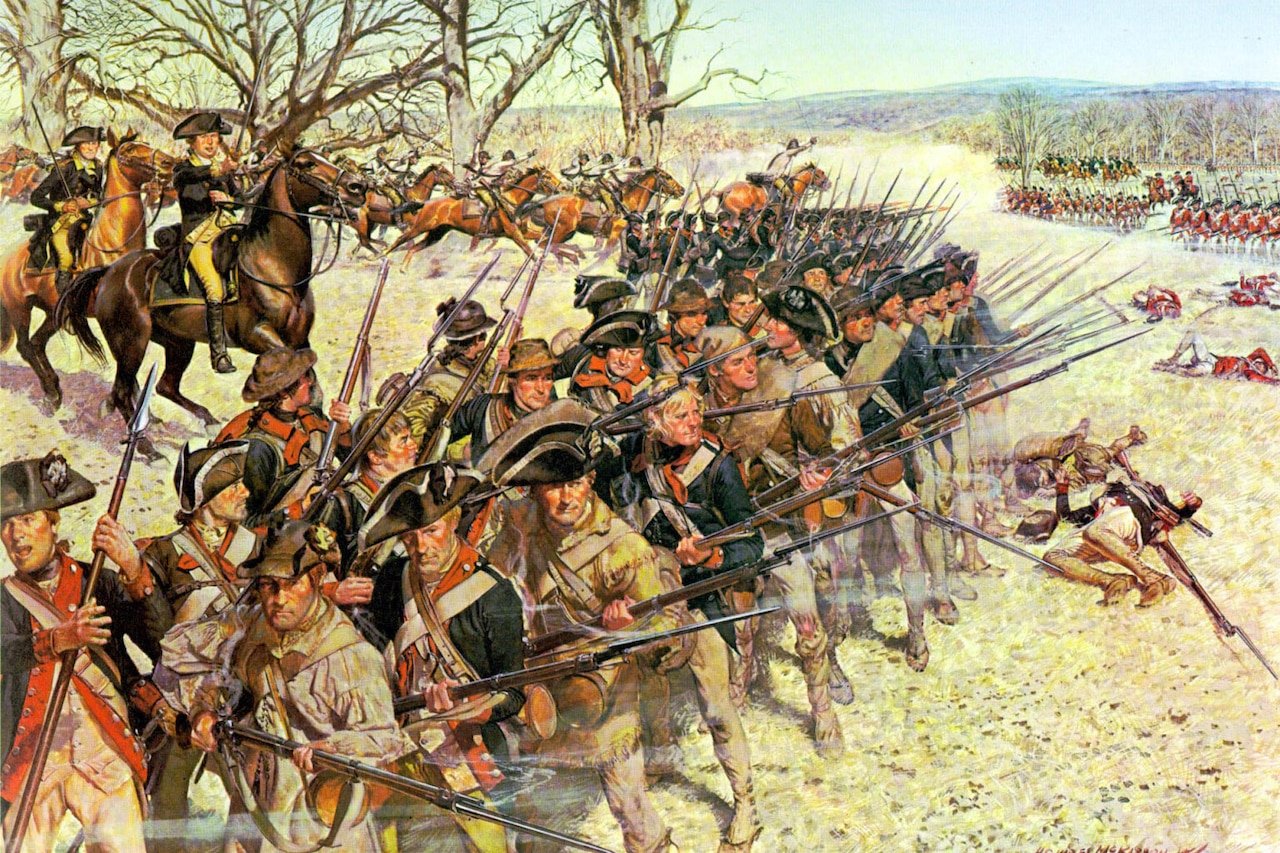
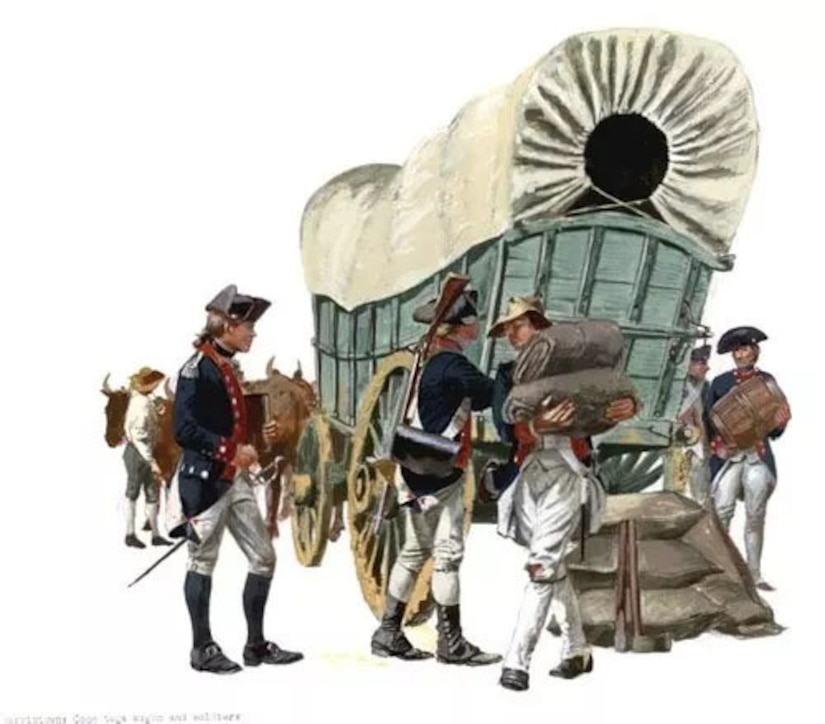
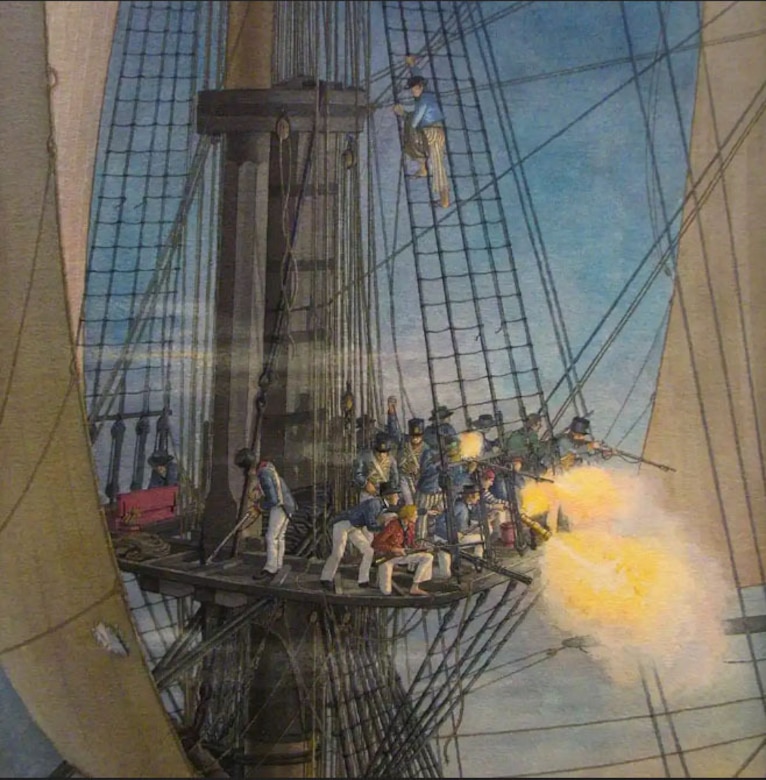
During the Revolutionary War, 1775 to 1783, troops were compensated in several ways, including basic pay, enlistment bonuses, food, uniforms and, for sailors, Marines and privateers at sea, prize money for capturing enemy vessels.
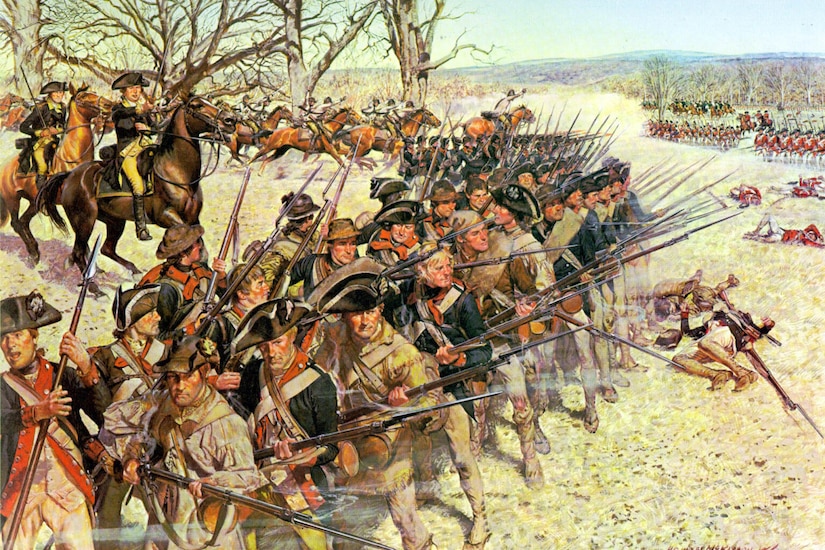
Continental currency, which depreciated over the course of the war, was paid by paymasters, as set by the Continental Congress, if funds were available, which they often were not. A frequent saying at the time was “it’s not worth a Continental.”
The militia were paid under a monetary policy that varied by state, as there was no national income tax.
Two other approaches to compensation were the promise of land and, for some, a pension.
Privates were promised 100 acres of land. Ranks equivalent to Army and Marine colonels and Navy captains today were entitled to 500 acres. Ranks between those ranged between those two figures. The promise of land was important because the American economy at the time was almost entirely agriculture-based.
For those severely disabled as a result of the war, the Continental Congress offered a monthly lifetime pension equal to half of the salary while they served.
While not a lifetime pension, officers who served for the war’s duration received a pension of full pay for five years after the war, and enlisted service members were promised a one-time payment of $80.
After the war, Congress passed legislation extending pensions to those who had served.
Beginning in 1818, Congress broadened the qualifications for a Revolutionary War pension, allowing those in poverty but not disabled to qualify.
In 1924, Congress passed the World War Adjusted Compensation Act, more commonly called the Bonus Act, promising World War I veterans a bonus to be paid in 1945.
Then in 1929, the Great Depression started. In May 1932, unemployed World War I veterans traveled to Washington to get their bonuses now, when they needed them most, instead of waiting until 1945. Tens of thousands of veterans set up camps in tents and shanties all over the city.

In late July 1932, Army troops removed the protesters and took down their tents and shanties. In 1936, Congress authorized their bonus payments.
The next big compensation milestone occurred June 22, 1944, when President Franklin D. Roosevelt signed the Servicemen’s Readjustment Act, better known as the G.I. Bill.
Millions of World War II veterans received education subsidies, enabling them to pay tuition for trade schools and colleges and, upon graduation, hopefully earn good incomes in the careers of their choice.
Over time, the G.I. Bill endured, with many revisions. The G.I. Bill is still available today for those who honorably serve. Those who stay in the military often attend college in their off time, funded through tuition assistance, and save their G.I. Bill for after they separate.
The next major compensation milestone came with the 1973 enactment of the All-Volunteer Force, which ended the draft and provided a significant pay boost that enticed some to serve.
For much of the 20th century, troops were paid in cash by a paymaster. With the advent of the computer, checks were printed and distributed. That was replaced with direct deposit, with funds going directly to banks or credit unions.
Today, active-duty troops receive basic pay, the amount determined by rank and time in grade and service, as published in the War Department pay table. In addition to basic pay, they receive clothing allowances, cost-of-living allowances, hazardous duty pay, basic allowance for subsistence and basic allowance for quarters, among others.
Source: Department of Defense
Content created by Conservative Daily News is available for re-publication without charge under the Creative Commons license. Visit our syndication page for details.